European Robin
Erithacus rubecula
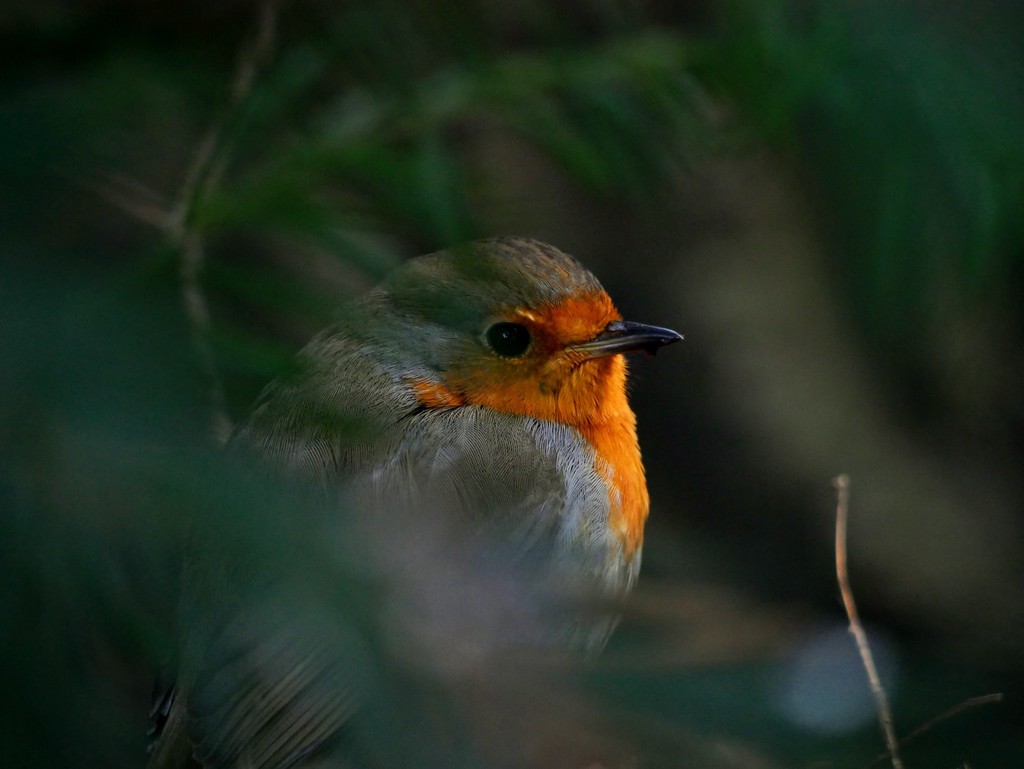
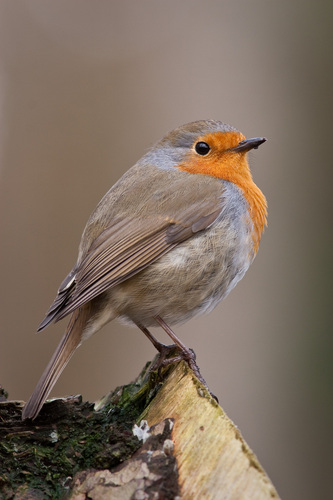
Orange-red face and breast, olive-brown upperparts and a pale belly. Adults have a soft grey border around the orange bib; juveniles are speckled brown all over.
- Family
- Muscicapidae
- Order
- Passeriformes
- Size
- 12.5–14 cm long · 20–22 cm wingspan
- Status
- Native in United Kingdom
- Records
- 133,425
- Peak
- Apr · Mar · Jan
How to recognise
What you are looking at
Orange-red face and breast, olive-brown upperparts and a pale belly. Adults have a soft grey border around the orange bib; juveniles are speckled brown all over.
Typical size: 12.5–14 cm long · 20–22 cm wingspan
Habitat & behaviour
Where it lives
Gardens, hedgerows, park edges and woodland undergrowth, often within a few metres of people.
How it behaves
Highly territorial and unusually tame. Sings from low, exposed perches all year and follows gardeners for disturbed insects.
Diet & timing
What it eats
Insects, earthworms, spiders and berries; takes crumbs and mealworms from ground feeders.
When to look
Dawn and dusk, year-round. Winter song is one of the first sounds of the morning.
Field tip
Stand still beside a hedge for a minute or two — robins often appear to check you for food.
Seasonality
When it shows up
November: good chance
Where to look
Places with recent records
Ancient woodland, acid grassland, deer
Richmond Park
The largest of London’s royal parks: 2,500 acres of open grassland, veteran oaks and free-roaming red and fallow deer.
Woodland, ponds, rough grass
Hampstead Heath
A wild-feeling ridge of woods, ponds and meadows ten minutes from Zone 1, with one of the city’s richest bird lists.
Reservoirs, reedbed, scrub
Walthamstow Wetlands
Europe’s largest urban wetland nature reserve — a working reservoir estate that doubles as a migration hotspot.
Botanical collections, lake, woodland
Kew Gardens
A living collection of more than 27,000 plant taxa, with mature trees, a lake and long-established woodland edges.
Easy to confuse with
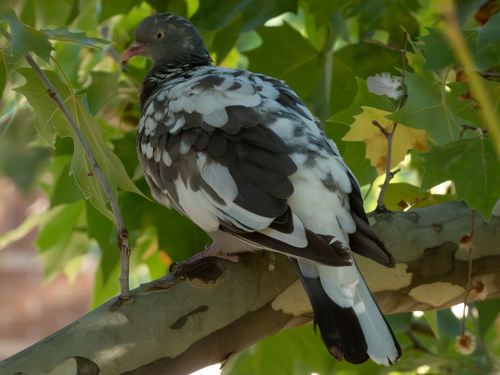
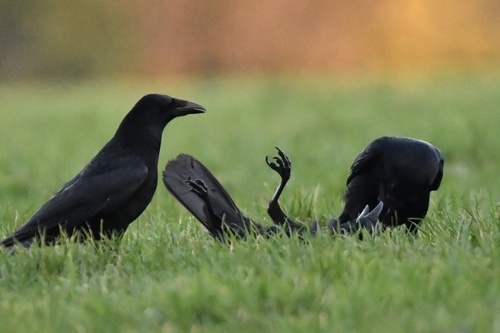
Similar species in London

Also recorded in
The same species elsewhere
Questions
European Robin in London
- Where can I see European Robin in London?
- European Robin has recent records at Richmond Park, Hampstead Heath, Walthamstow Wetlands. Check each park page for habitat notes and access.
- When is the best time to see European Robin in London?
- Records peak in April, March, January. In November, activity is rated “good chance”.
Sources
Occurrence counts and seasonality are derived from GBIF records (2018–2026). Description adapted from Wikipedia via iNaturalist, licensed CC BY-SA. Photo credits appear under each image. Native or introduced status comes from iNaturalist regional checklists. Species pages are for observation only — never disturb wildlife.