The handbook
Pick the city you’re standing in.
Each guide is built from local observation records, so the species list reflects what is actually recorded around you — not a continent-sized field guide.
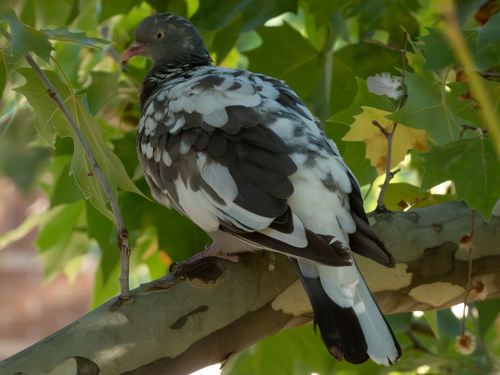
United Kingdom
London
A capital built on marshes, chalk streams and ancient hunting forests. London records more wildlife than almost any city its size — and most of it is a short walk or a single Tube ride away.
- Species
- 36
- Records
- 2.2M
- Parks
- 6
- Best months
- Apr · May · Mar

United States
New York City
From the salt marshes of Jamaica Bay to the old-growth woods of Inwood Hill, New York is a city of islands, estuaries and unexpected forest — one of the great migration crossroads of North America.
- Species
- 34
- Records
- 4.8M
- Parks
- 6
- Best months
- May · Apr · Oct
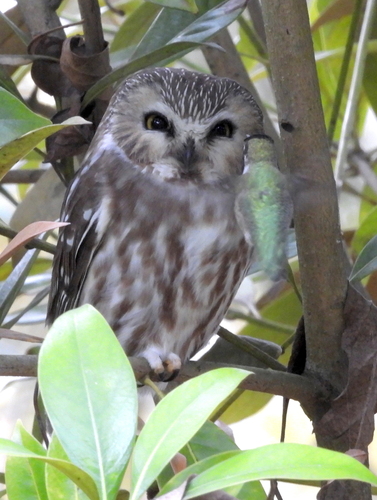
United States
San Francisco
Fog, coastal scrub and a peninsula between two bays. San Francisco packs migration corridors, remnant dune habitat and dense urban gardens into seven square miles.
- Species
- 36
- Records
- 1.1M
- Parks
- 6
- Best months
- Apr · Sep · May
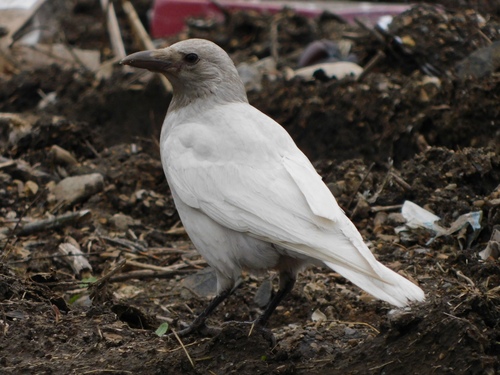
Germany
Berlin
A low, green city stitched together by lakes, pine woods and abandoned rail land. Berlin holds more forest inside its boundary than most capitals hold park — and the Spree connects it all.
- Species
- 36
- Records
- 304K
- Parks
- 6
- Best months
- Apr · May · Mar
France
Paris
A dense stone city with two great woods on its edges and a river running through the middle. Paris rewards anyone who looks closely: falcons on towers, herons on the Seine, wildflowers in every crack.
- Species
- 36
- Records
- 235.9K
- Parks
- 6
- Best months
- Apr · May · Jun
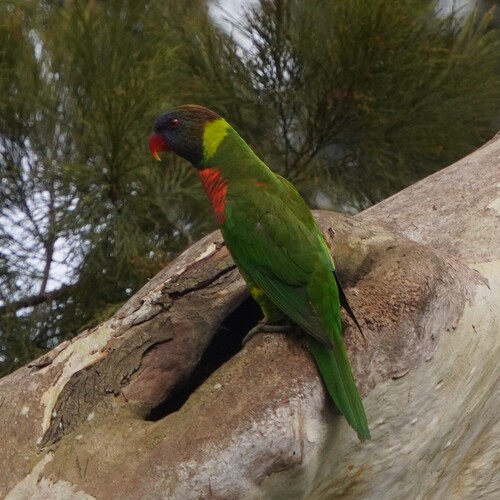
Australia
Sydney
A harbour city where sandstone headlands, eucalypt forest and subtropical wetlands meet salt water. Sydney’s seasons run the opposite way to the northern hemisphere — spring arrives in September.
- Species
- 36
- Records
- 954.4K
- Parks
- 6
- Best months
- Oct · Sep · Nov