Black-headed Gull
Chroicocephalus ridibundus
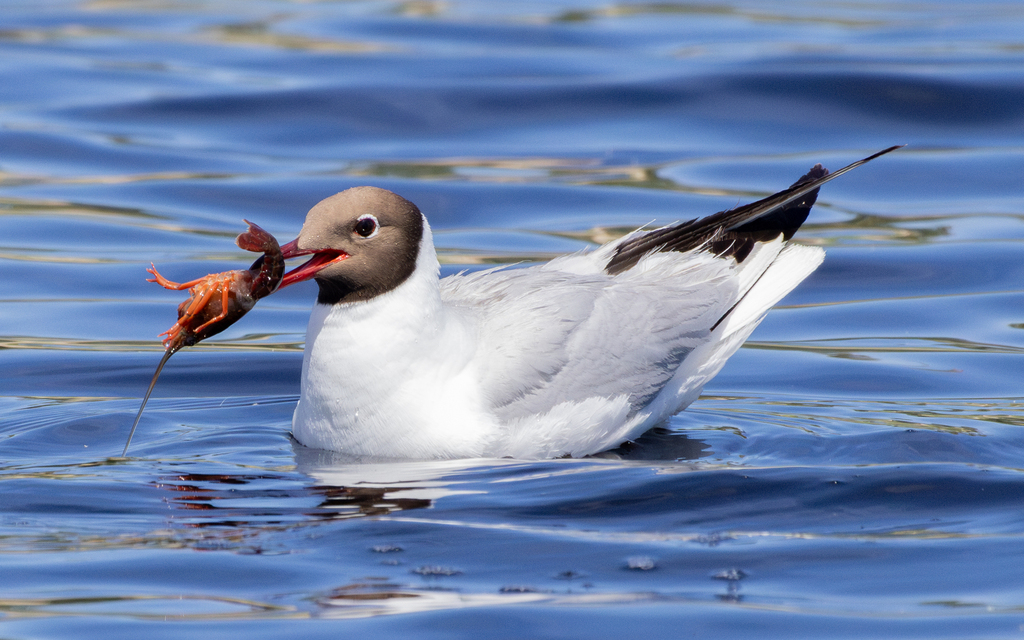
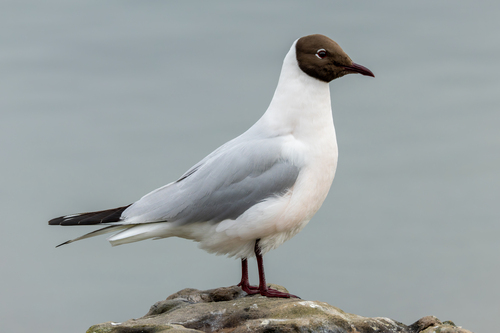
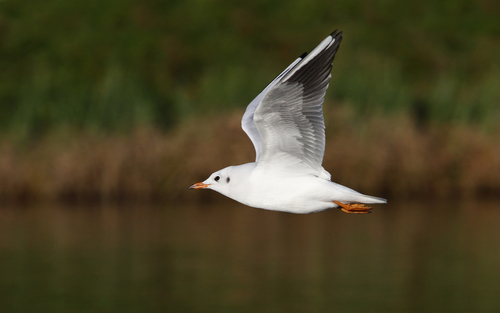
The black-headed gull (Chroicocephalus ridibundus) is a small gull that breeds in much of Europe and Asia, and also in coastal eastern Canada. Most of the population is migratory and winters further south, but some birds reside in the milder westernmost areas of Europe. Some black-headed gulls also spend the winter in northeastern North America, where it was formerly known as the common black-headed gull. As is the case with many gulls, it was previously placed...
- Family
- Laridae
- Order
- Charadriiformes
- Status
- Native in United Kingdom
- Records
- 92,218
- Peak
- Jan · Feb · Dec
Seasonality
When it shows up
November: peak season
Where to look
Places with recent records
Ancient woodland, acid grassland, deer
Richmond Park
The largest of London’s royal parks: 2,500 acres of open grassland, veteran oaks and free-roaming red and fallow deer.
Lake, lawns, ancient trees
Hyde Park
The Serpentine and its margins are the classic introduction to London’s waterfowl, herons and winter gulls.
Reservoirs, reedbed, scrub
Walthamstow Wetlands
Europe’s largest urban wetland nature reserve — a working reservoir estate that doubles as a migration hotspot.
Botanical collections, lake, woodland
Kew Gardens
A living collection of more than 27,000 plant taxa, with mature trees, a lake and long-established woodland edges.
Lake, lawns, waterfowl
St James’s Park
The oldest of London’s royal parks, and the easiest place to meet pelicans, herons and a very confiding waterfowl flock.
Easy to confuse with
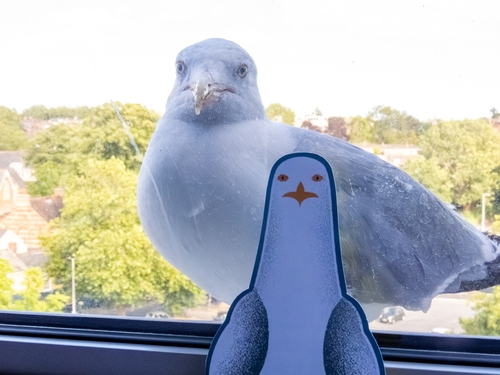
Similar species in London
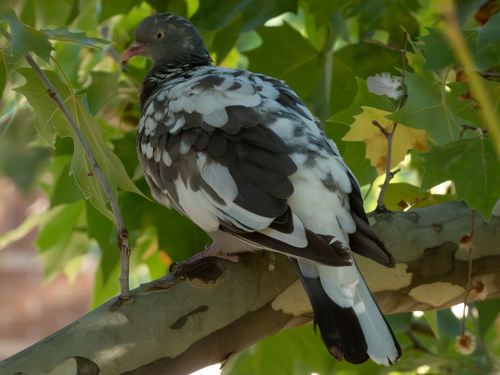
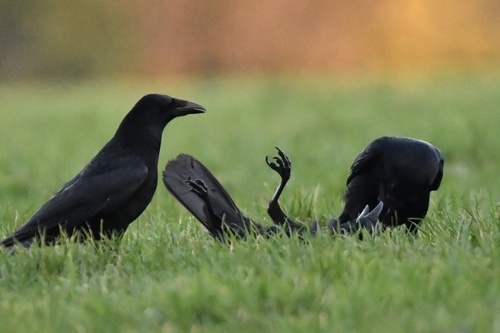
Also recorded in
The same species elsewhere
Questions
Black-headed Gull in London
- Where can I see Black-headed Gull in London?
- Black-headed Gull has recent records at Richmond Park, Hyde Park, Walthamstow Wetlands. Check each park page for habitat notes and access.
- When is the best time to see Black-headed Gull in London?
- Records peak in January, February, December. In November, activity is rated “peak season”.
Sources
Occurrence counts and seasonality are derived from GBIF records (2018–2026). Description adapted from Wikipedia via iNaturalist, licensed CC BY-SA. Photo credits appear under each image. Native or introduced status comes from iNaturalist regional checklists. Species pages are for observation only — never disturb wildlife.