Laughing Kookaburra
Dacelo novaeguineae
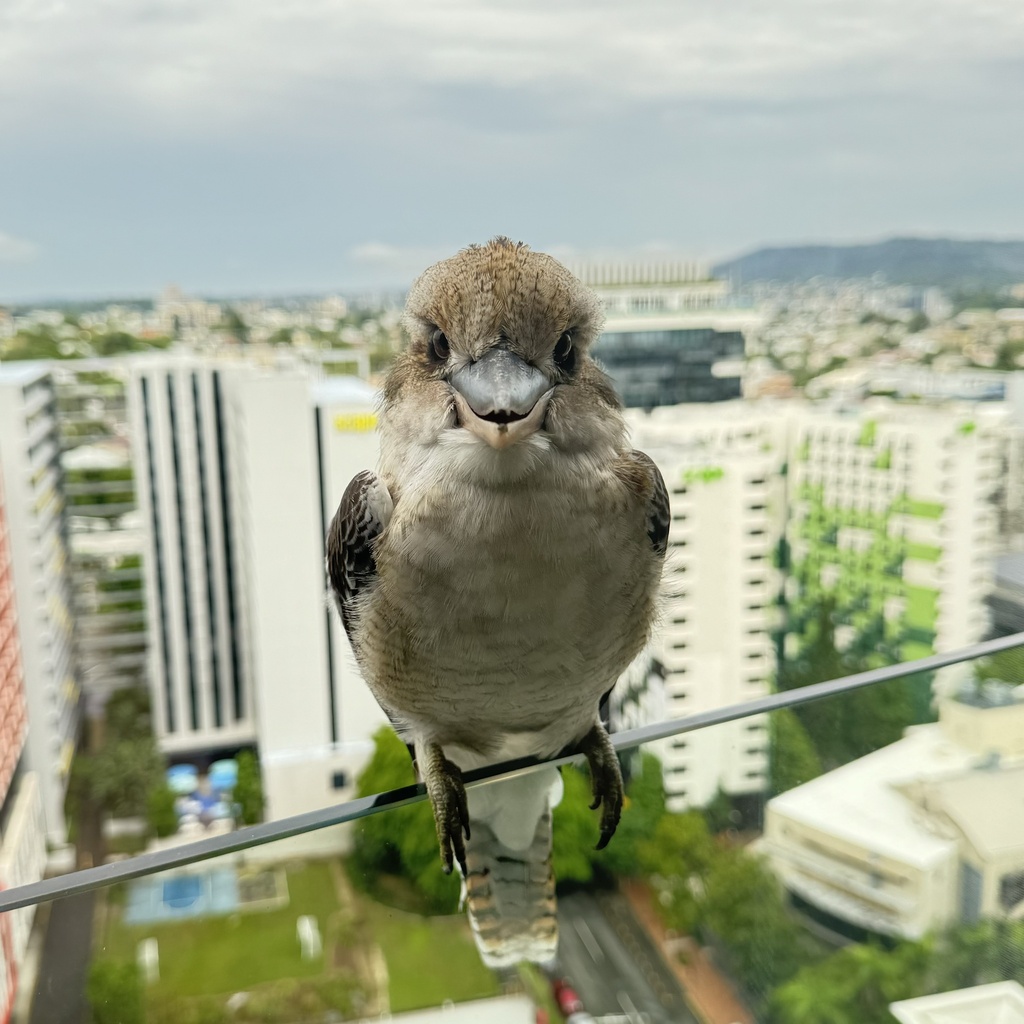
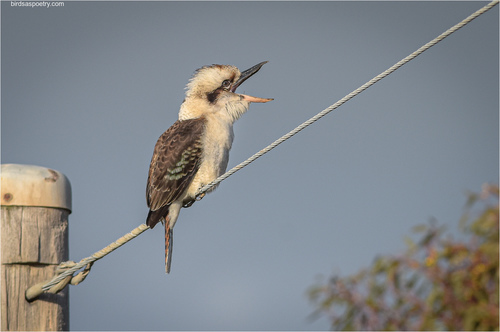
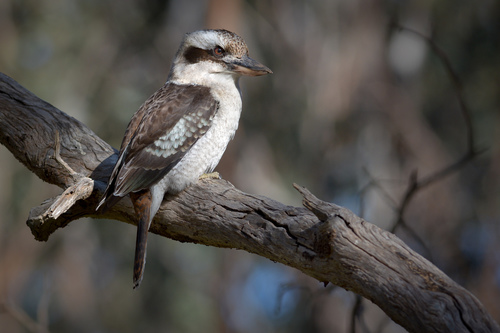
The laughing kookaburra (Dacelo novaeguineae) is a bird in the kingfisher subfamily Halcyoninae. It is a large robust kingfisher with a whitish head and a dark eye-stripe. The upperparts are mostly dark brown but there is a mottled light-blue patch on the wing coverts. The underparts are white and the tail is barred with rufous and black. The plumage of the male and female birds is similar. The territorial call is a distinctive laugh that is...
- Family
- Alcedinidae
- Order
- Coraciiformes
- Status
- Endemic in Australia
- Records
- 39,555
- Peak
- Oct · Sep · Aug
Seasonality
When it shows up
November: peak season
Where to look
Places with recent records
Harbourside gardens, rainforest gully, lawns
Royal Botanic Garden
The harbour-edge garden beside the Opera House — ibis, cockatoos, water dragons and a steady stream of nectar-feeding birds.
Eucalypt forest, river, sandstone
Lane Cove National Park
A river valley of eucalypt forest and sandstone ledges ten kilometres from the city centre — parrots, lyrebirds and quiet bush tracks.
Coastal heath, cliffs, seagrass
Kamay Botany Bay National Park
Sandstone cliffs and windswept heath at the mouth of Botany Bay, with seabirds, raptors and spring wildflower displays.
Easy to confuse with
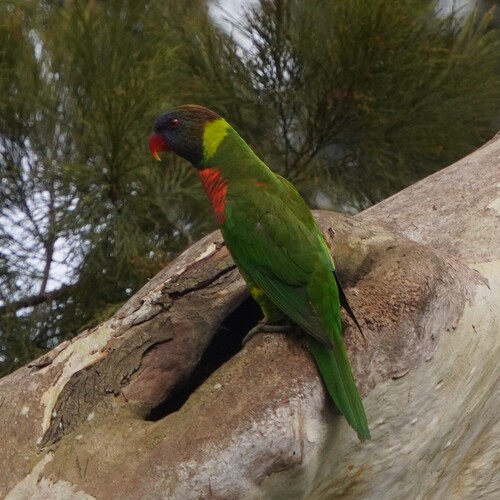
Similar species in Sydney
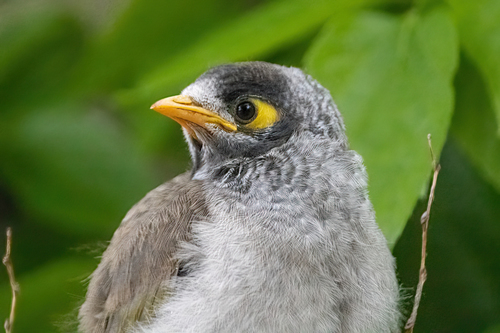
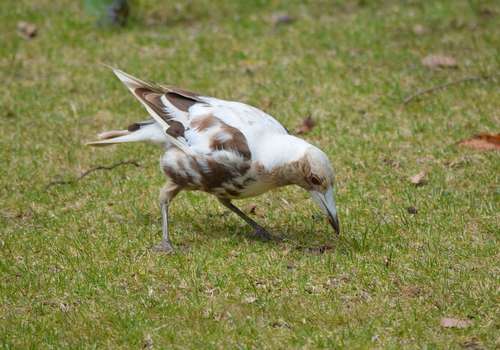
Questions
Laughing Kookaburra in Sydney
- Where can I see Laughing Kookaburra in Sydney?
- Laughing Kookaburra has recent records at Royal Botanic Garden, Lane Cove National Park, Kamay Botany Bay National Park. Check each park page for habitat notes and access.
- When is the best time to see Laughing Kookaburra in Sydney?
- Records peak in October, September, August. In November, activity is rated “peak season”.
Sources
Occurrence counts and seasonality are derived from GBIF records (2018–2026). Description adapted from Wikipedia via iNaturalist, licensed CC BY-SA. Photo credits appear under each image. Native or introduced status comes from iNaturalist regional checklists. Species pages are for observation only — never disturb wildlife.