Australian Raven
Corvus coronoides
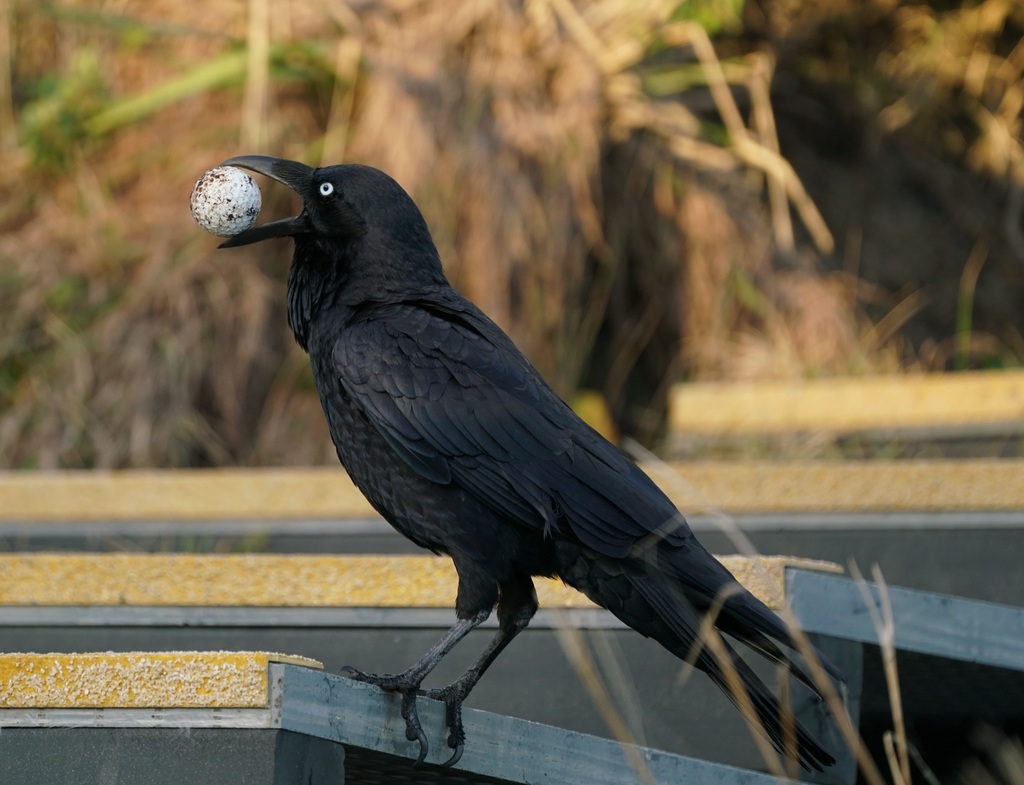
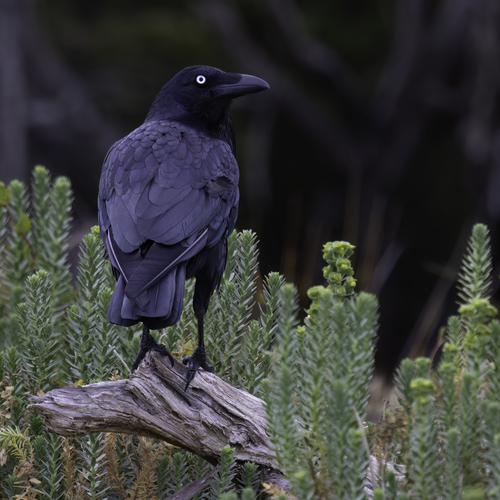
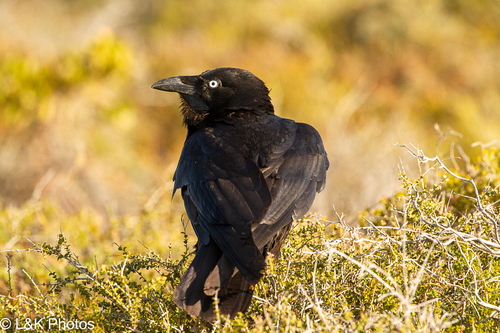
The Australian raven (Corvus coronoides) is a passerine bird in the genus Corvus native to much of southern and northeastern Australia. Measuring 46–53 centimetres (18–21 in) in length, it has all-black plumage, beak and mouth, as well as strong grey-black legs and feet. The upperparts are glossy, with a purple, blue or green sheen, and its black feathers have grey bases. The Australian raven is distinguished from the Australian crow species by its throat hackles, which are...
- Family
- Corvidae
- Order
- Passeriformes
- Status
- Native in New South Wales
- Records
- 54,531
- Peak
- Oct · Sep · Aug
Seasonality
When it shows up
November: peak season
Where to look
Places with recent records
Lakes, avenues, grassland, paperbark swamp
Centennial Park
Grand avenues, chains of ponds and open grass in the eastern suburbs — eels, turtles, herons and a famous flying-fox camp nearby.
Wetlands, grassland, former quarry
Sydney Park
A reclaimed quarry and brickworks turned into wetlands and grassland, now one of the inner city’s best waterbird sites.
Eucalypt forest, river, sandstone
Lane Cove National Park
A river valley of eucalypt forest and sandstone ledges ten kilometres from the city centre — parrots, lyrebirds and quiet bush tracks.
Wetland, mangrove, parkland
Bicentennial Park
Part of Sydney Olympic Park, with boardwalks through mangrove and reedbed — a reliable place for spoonbills, egrets and crakes.
Coastal heath, cliffs, seagrass
Kamay Botany Bay National Park
Sandstone cliffs and windswept heath at the mouth of Botany Bay, with seabirds, raptors and spring wildflower displays.
Easy to confuse with
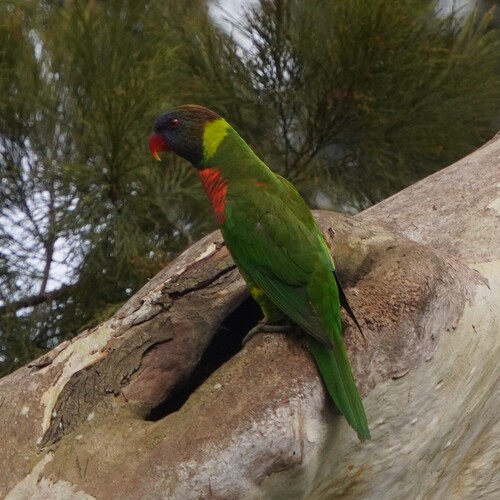
Similar species in Sydney
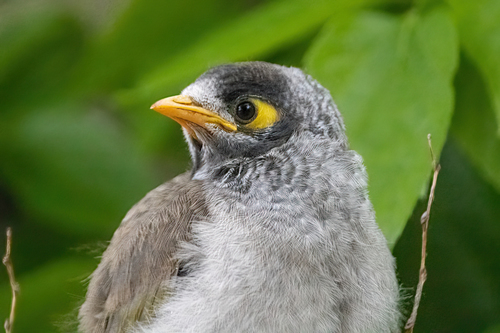
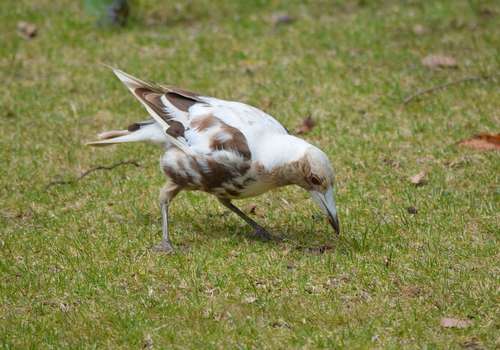
Questions
Australian Raven in Sydney
- Where can I see Australian Raven in Sydney?
- Australian Raven has recent records at Centennial Park, Sydney Park, Lane Cove National Park. Check each park page for habitat notes and access.
- When is the best time to see Australian Raven in Sydney?
- Records peak in October, September, August. In November, activity is rated “peak season”.
Sources
Occurrence counts and seasonality are derived from GBIF records (2018–2026). Description adapted from Wikipedia via iNaturalist, licensed CC BY-SA. Photo credits appear under each image. Native or introduced status comes from iNaturalist regional checklists. Species pages are for observation only — never disturb wildlife.