Western Gull
Larus occidentalis
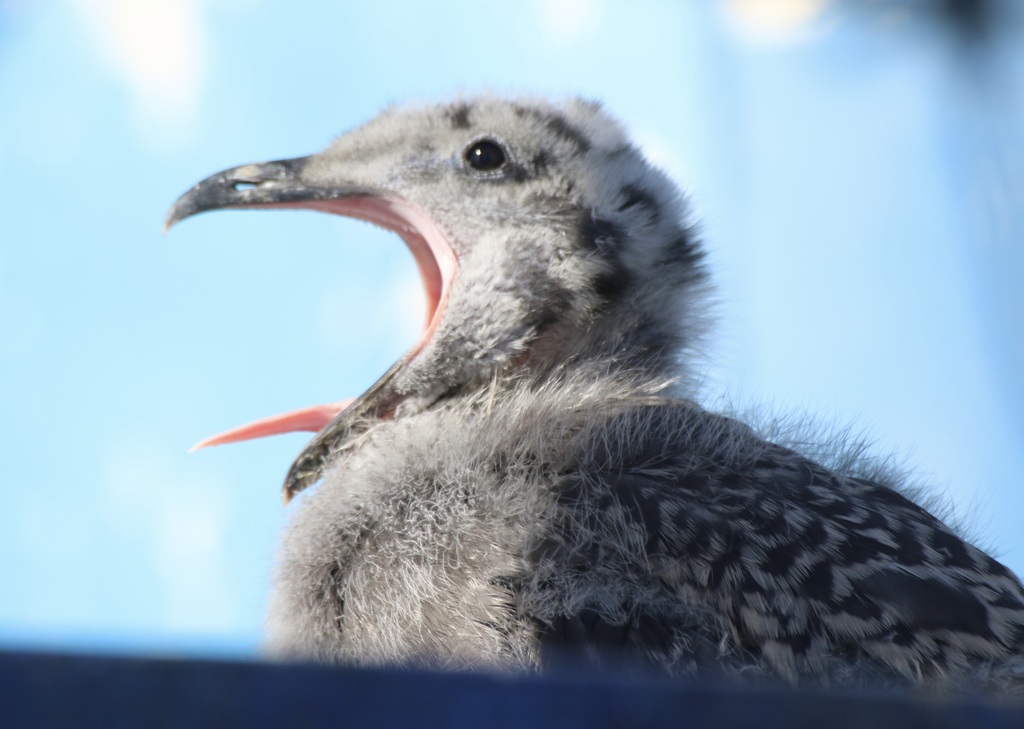
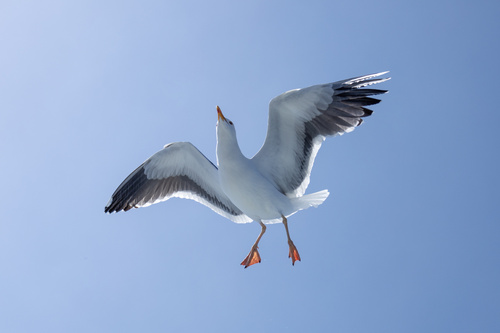
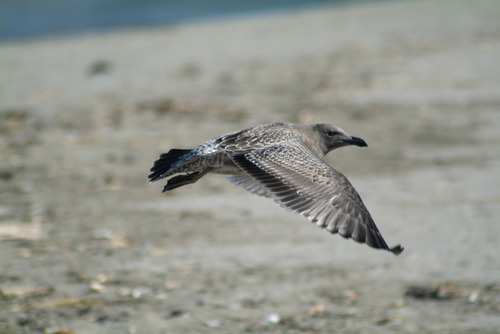
The western gull (Larus occidentalis) is a large white-headed gull that lives on the west coast of North America. It was previously considered conspecific with the yellow-footed gull (Larus livens) of the Gulf of California. The western gull ranges from British Columbia, Canada to Baja California, Mexico, and, because of its convenient colonies on the coast of California, it is well studied. Despite being a well-known bird species on the West Coast of the US, it...
- Family
- Laridae
- Order
- Charadriiformes
- Status
- Native in California
- Records
- 66,257
- Peak
- Sep · Aug · May
Seasonality
When it shows up
November: peak season
Where to look
Places with recent records
Forest, coastal scrub, shoreline
Presidio
A former military post turned national park site, with cypress groves, open grass and a shoreline that catches migrants.
Coastal cliff, scrub, cypress
Lands End
Wind-bent cypress and raw Pacific cliff at the city’s northwest corner — seabirds, raptors and spring wildflowers.
Tidal marsh, beach, open water
Crissy Field
A restored tidal marsh on the bay with the Golden Gate as a backdrop, loved by shorebirds, terns and wintering ducks.
Freshwater lake, reedbed, willow
Lake Merced
The city’s largest freshwater body, ringed by reeds and willows — a reliable stop for grebes, coots and migrating warblers.
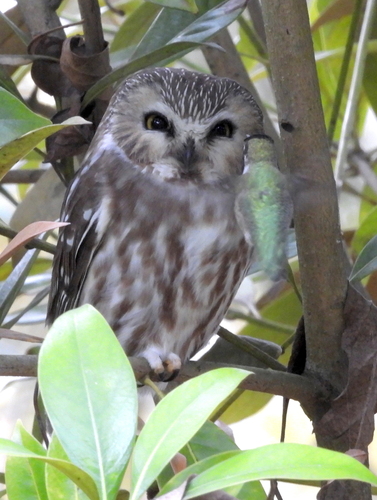
Easy to confuse with
Similar species in San Francisco
Questions
Western Gull in San Francisco
- Where can I see Western Gull in San Francisco?
- Western Gull has recent records at Presidio, Lands End, Crissy Field. Check each park page for habitat notes and access.
- When is the best time to see Western Gull in San Francisco?
- Records peak in September, August, May. In November, activity is rated “peak season”.
Sources
Occurrence counts and seasonality are derived from GBIF records (2018–2026). Description adapted from Wikipedia via iNaturalist, licensed CC BY-SA. Photo credits appear under each image. Native or introduced status comes from iNaturalist regional checklists. Species pages are for observation only — never disturb wildlife.