Mallard
Anas platyrhynchos
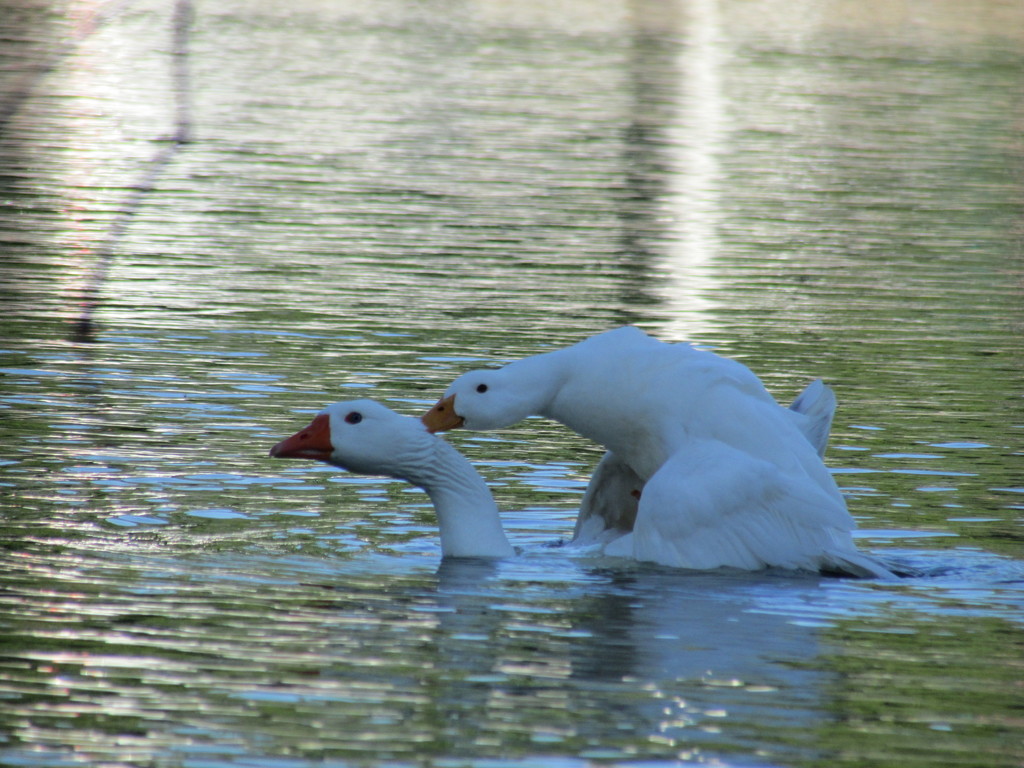
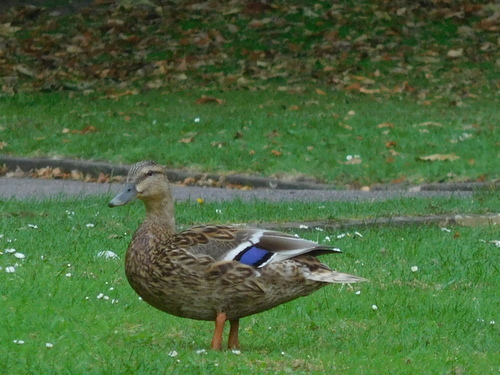
The mallard (/ˈmælɑːrd/ or /ˈmælərd/) (Anas platyrhynchos) is a dabbling duck that breeds throughout the temperate and subtropical Americas, Eurasia, and North Africa and has been introduced to New Zealand, Australia, Peru, Brazil, Uruguay, Argentina, Chile, the Falkland Islands, and South Africa. This duck belongs to the subfamily Anatinae of the waterfowl family Anatidae. The male birds (drakes) have a glossy green head and are grey on wings and belly while the females (hens or ducks)...
- Family
- Anatidae
- Order
- Anseriformes
- Records
- 10,205
- Peak
- Apr · May · Mar
Seasonality
When it shows up
November: good chance
Where to look
Places with recent records
Formal garden, gravel, pond
Jardin des Tuileries
The long formal garden between the Louvre and Concorde — black redstarts, kestrels and a surprising number of passage migrants.
Formal garden, orchard, lawn
Jardin du Luxembourg
Chestnut avenues, an orchard and a central basin — one of the easiest places in Paris to watch woodpeckers and tits at work.
Woodland, lakes, lawns
Bois de Boulogne
The old hunting forest west of the city: broad rides, lakes and thickets that hold breeding woodpeckers and wintering waterbirds.
Rocky parkland, cliffs, lake
Parc des Buttes-Chaumont
A dramatic park built on old quarries, with cliffs, a lake and a suspended bridge — urban wildlife with real topography.
Canal-side park, meadows, planted gardens
Parc de la Villette
A modern park along the Canal de l’Ourcq, with rough grass, willow scrub and a good mix of waterside and open-country species.
Easy to confuse with
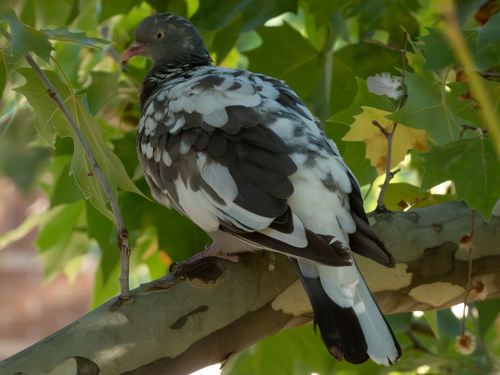
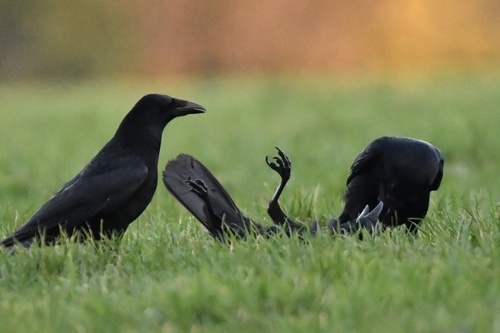
Similar species in Paris
Also recorded in
The same species elsewhere
Questions
Mallard in Paris
- Where can I see Mallard in Paris?
- Mallard has recent records at Jardin des Tuileries, Jardin du Luxembourg, Bois de Boulogne. Check each park page for habitat notes and access.
- When is the best time to see Mallard in Paris?
- Records peak in April, May, March. In November, activity is rated “good chance”.
Sources
Occurrence counts and seasonality are derived from GBIF records (2018–2026). Description adapted from Wikipedia via iNaturalist, licensed CC BY-SA. Photo credits appear under each image. Native or introduced status comes from iNaturalist regional checklists. Species pages are for observation only — never disturb wildlife.