Mourning Dove
Zenaida macroura
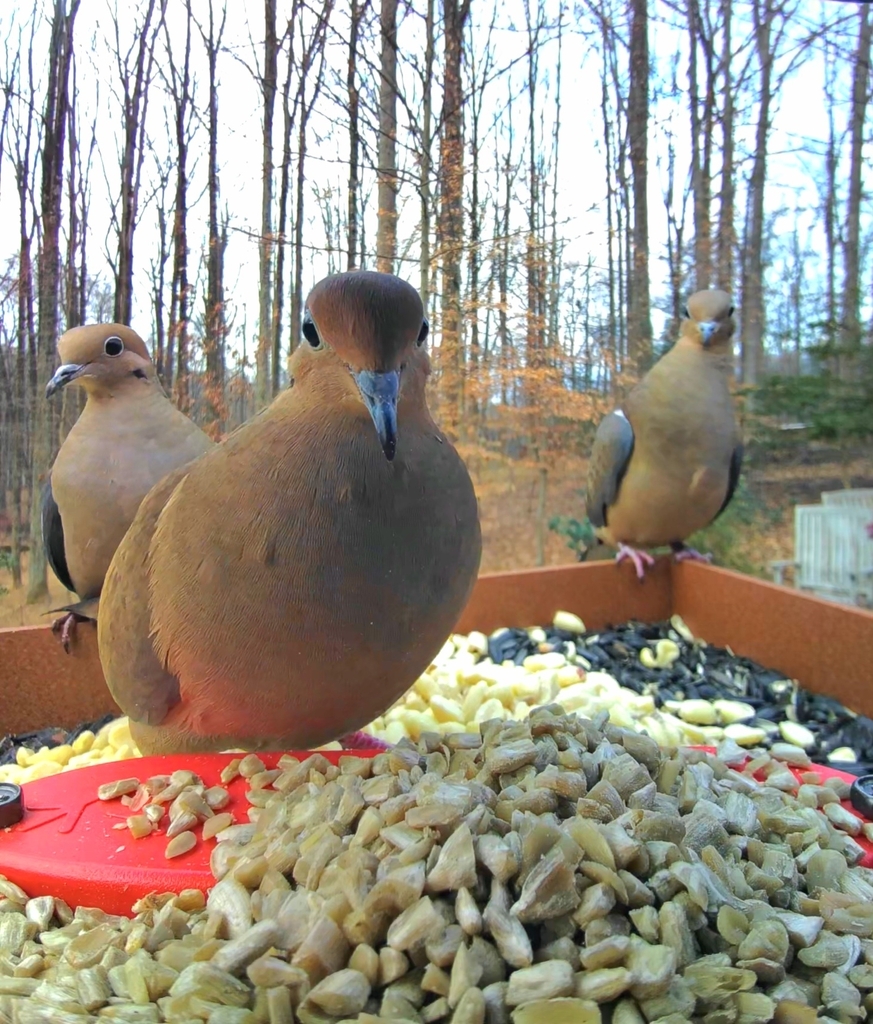
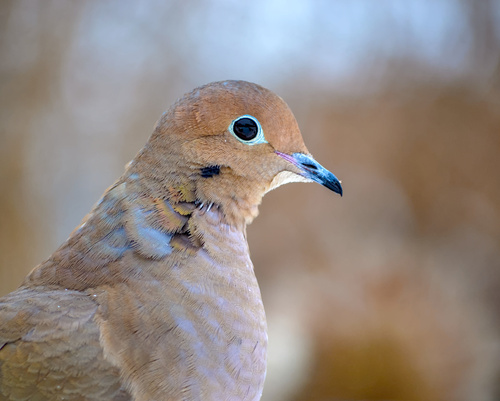
The mourning dove (Zenaida macroura) is a member of the dove family, Columbidae. The bird is also known as the American mourning dove or the rain dove , and erroneously as the turtle dove , and was once known as the Carolina pigeon or Carolina turtledove . It is one of the most abundant and widespread of all North American birds. It is also a leading gamebird, with more than 20 million birds (up to 70 million in some years)...
- Family
- Columbidae
- Order
- Columbiformes
- Status
- Native in New York
- Records
- 326,257
- Peak
- May · Apr · Sep
Seasonality
When it shows up
November: possible
Where to look
Places with recent records
Woodland, meadows, lakes
Central Park
The most famous urban park in the world is also a serious migration trap: the Ramble and the Pond concentrate warblers every spring.
Woodland, lake, meadow
Prospect Park
Brooklyn’s 526-acre answer to Central Park, with a wilder woodland edge and a lake that pulls in herons, grebes and waterfowl.
Salt marsh, mudflat, open water
Jamaica Bay Wildlife Refuge
A 9,000-acre estuary within the city limits — the best shorebird and waterbird habitat in New York, and a stopover for migrating horseshoe crabs.
Old-growth forest, caves, shoreline
Inwood Hill Park
Manhattan’s last remnant of old-growth forest, perched on schist above the Hudson and the Harlem River ship canal.
Forest, salt marsh, beach
Pelham Bay Park
The largest park in the city: oak forest, Orchard Beach, and a lagoon system that fills with wading birds in summer.
Waterfront, piers, planted gardens
Brooklyn Bridge Park
A reclaimed industrial waterfront where cormorants, terns and peregrines hunt between the bridge towers.
Easy to confuse with
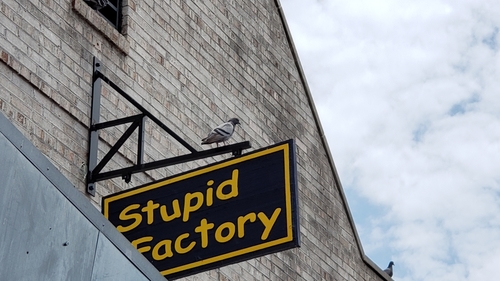
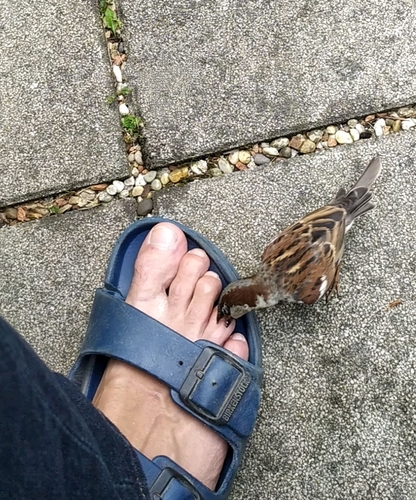
Similar species in New York City
Questions
Mourning Dove in New York City
- Where can I see Mourning Dove in New York City?
- Mourning Dove has recent records at Central Park, Prospect Park, Jamaica Bay Wildlife Refuge. Check each park page for habitat notes and access.
- When is the best time to see Mourning Dove in New York City?
- Records peak in May, April, September. In November, activity is rated “possible”.
Sources
Occurrence counts and seasonality are derived from GBIF records (2018–2026). Description adapted from Wikipedia via iNaturalist, licensed CC BY-SA. Photo credits appear under each image. Native or introduced status comes from iNaturalist regional checklists. Species pages are for observation only — never disturb wildlife.