Blue Jay
Cyanocitta cristata
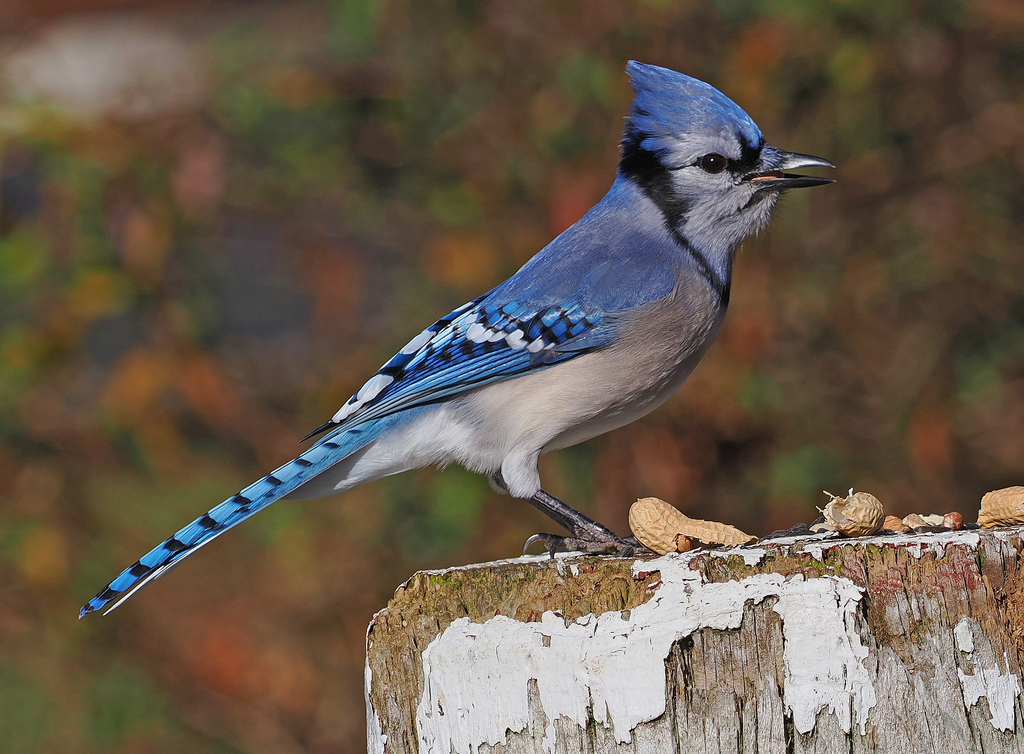
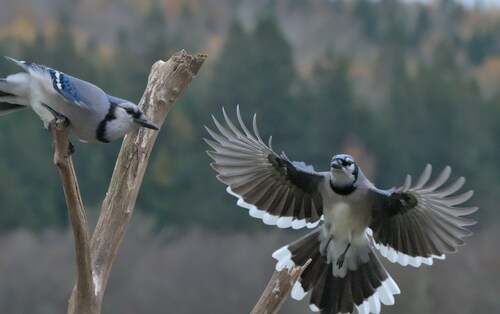
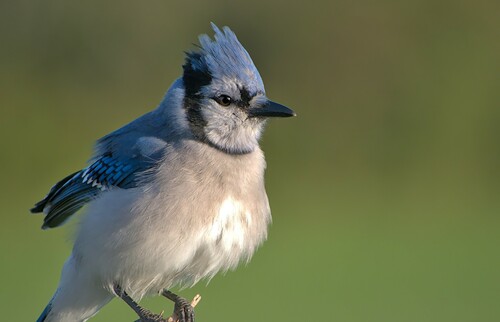
The blue jay (Cyanocitta cristata) is a passerine bird in the family Corvidae, native to North America. It is resident through most of eastern and central United States, although western populations may be migratory. Resident populations are also found in Newfoundland, Canada, while breeding populations can be found in southern Canada. It breeds in both deciduous and coniferous forests, and is common near and in residential areas. It is predominantly blue with a white chest and...
- Family
- Corvidae
- Order
- Passeriformes
- Status
- Native in New York
- Records
- 297,535
- Peak
- May · Apr · Oct
Seasonality
When it shows up
November: good chance
Where to look
Places with recent records
Woodland, meadows, lakes
Central Park
The most famous urban park in the world is also a serious migration trap: the Ramble and the Pond concentrate warblers every spring.
Woodland, lake, meadow
Prospect Park
Brooklyn’s 526-acre answer to Central Park, with a wilder woodland edge and a lake that pulls in herons, grebes and waterfowl.
Old-growth forest, caves, shoreline
Inwood Hill Park
Manhattan’s last remnant of old-growth forest, perched on schist above the Hudson and the Harlem River ship canal.
Forest, salt marsh, beach
Pelham Bay Park
The largest park in the city: oak forest, Orchard Beach, and a lagoon system that fills with wading birds in summer.
Easy to confuse with
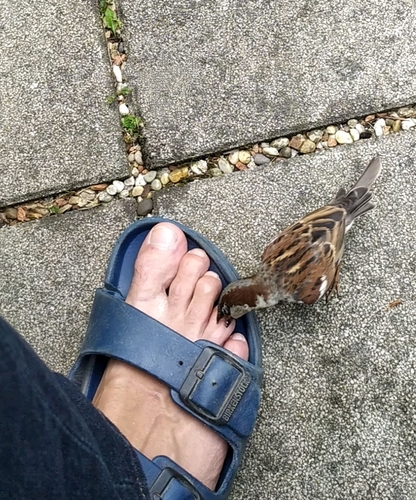
Similar species in New York City
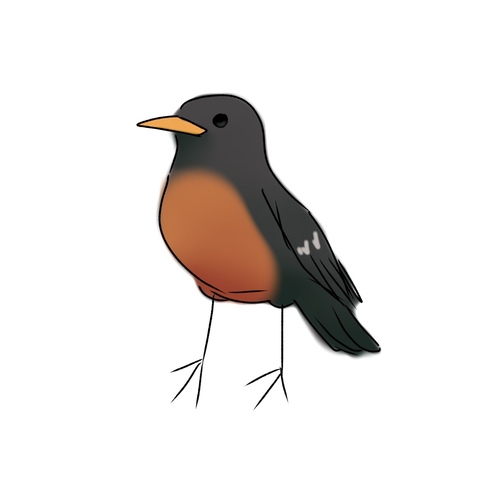
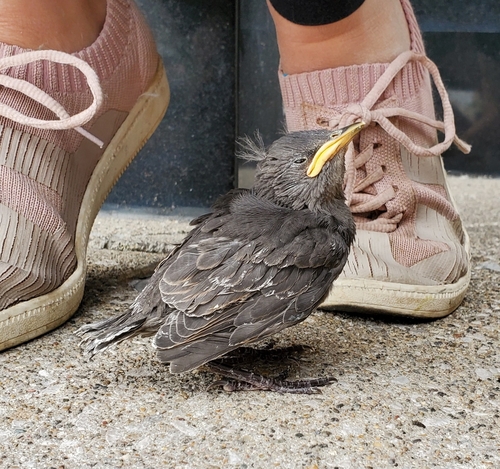
Questions
Blue Jay in New York City
- Where can I see Blue Jay in New York City?
- Blue Jay has recent records at Central Park, Prospect Park, Inwood Hill Park. Check each park page for habitat notes and access.
- When is the best time to see Blue Jay in New York City?
- Records peak in May, April, October. In November, activity is rated “good chance”.
Sources
Occurrence counts and seasonality are derived from GBIF records (2018–2026). Description adapted from Wikipedia via iNaturalist, licensed CC BY-SA. Photo credits appear under each image. Native or introduced status comes from iNaturalist regional checklists. Species pages are for observation only — never disturb wildlife.