Great Cormorant
Phalacrocorax carbo
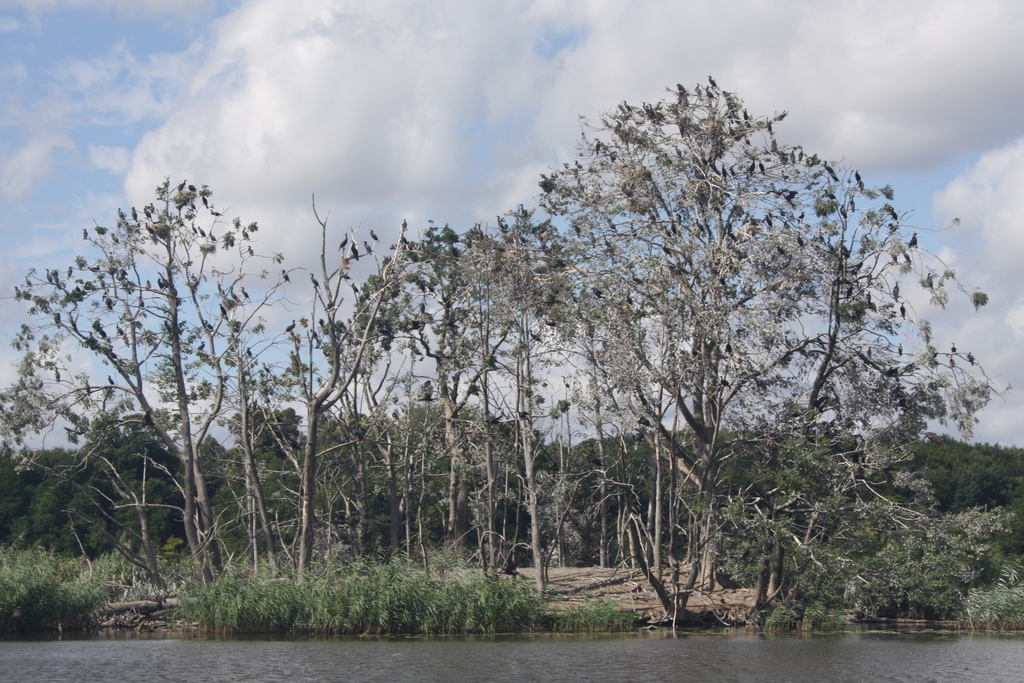
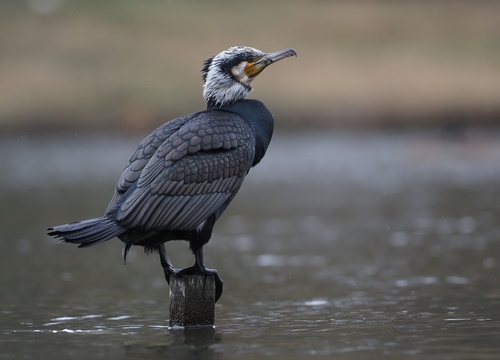
The great cormorant (Phalacrocorax carbo), known as the great black cormorant across the Northern Hemisphere, the black cormorant in Australia, the large cormorant in India and the black shag further south in New Zealand, is a widespread member of the cormorant family of seabirds. The genus name is Latinised Ancient Greek, from φαλακρός (phalakros , "bald") and κόραξ (korax , "raven"), and carbo is Latin for "charcoal".
- Family
- Phalacrocoracidae
- Order
- Suliformes
- Status
- Native in Germany
- Records
- 8,040
- Peak
- Mar · Jan · May
Seasonality
When it shows up
November: peak season
Where to look
Places with recent records
Riverbank, mature trees, lawns
Treptower Park
A Spree-side park with old plane trees and a riverside promenade — easy access to waterfowl, grebes and riverside warblers.
Island woodland, meadows, historic park
Pfaueninsel
A small island in the Havel with ancient oaks, free-roaming peacocks and a remarkably quiet bird list.
Lake, reedbed, forest edge
Müggelsee
Berlin’s largest lake, fringed by reedbeds and forest — a strong spot for grebes, terns and autumn migration.
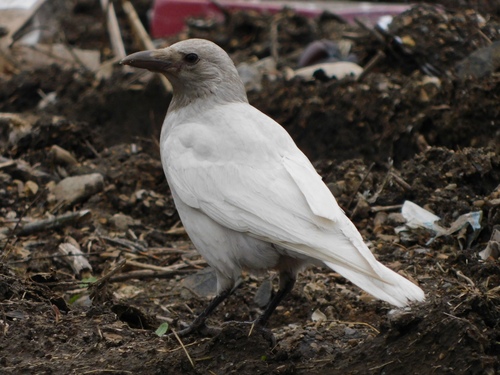
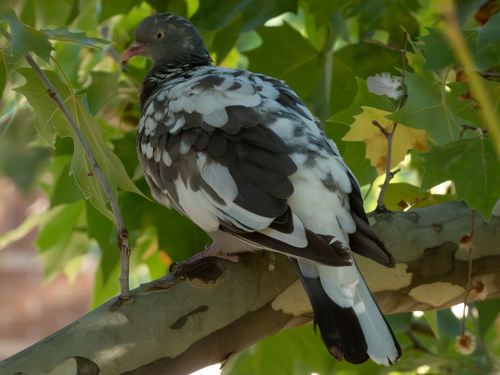
Easy to confuse with
Similar species in Berlin
Questions
Great Cormorant in Berlin
- Where can I see Great Cormorant in Berlin?
- Great Cormorant has recent records at Treptower Park, Pfaueninsel, Müggelsee. Check each park page for habitat notes and access.
- When is the best time to see Great Cormorant in Berlin?
- Records peak in March, January, May. In November, activity is rated “peak season”.
Sources
Occurrence counts and seasonality are derived from GBIF records (2018–2026). Description adapted from Wikipedia via iNaturalist, licensed CC BY-SA. Photo credits appear under each image. Native or introduced status comes from iNaturalist regional checklists. Species pages are for observation only — never disturb wildlife.