Common Chaffinch
Fringilla coelebs
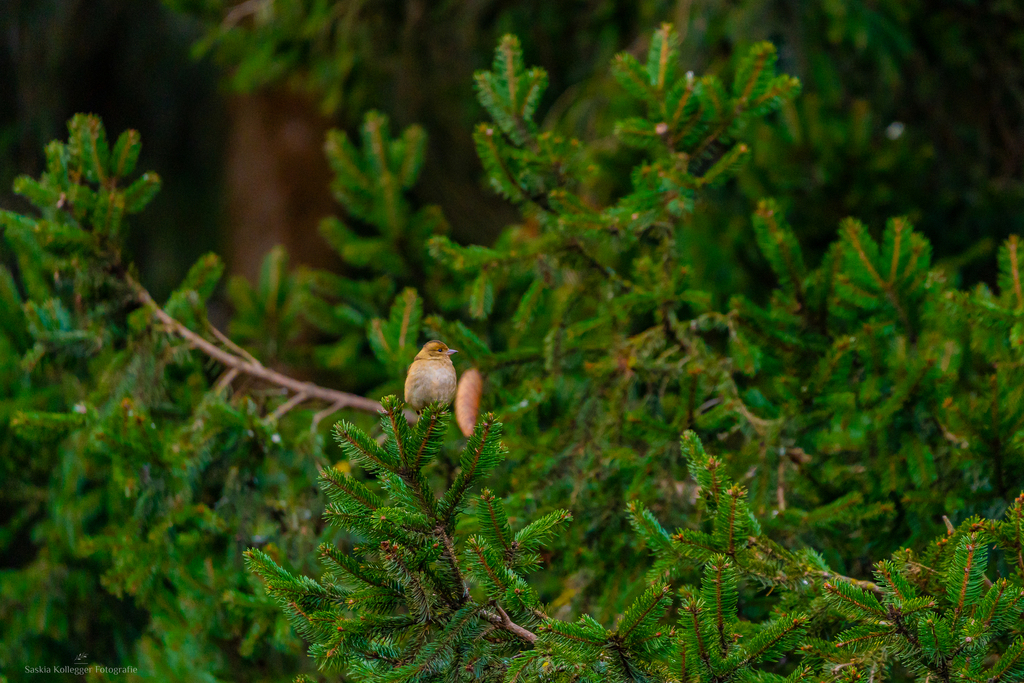
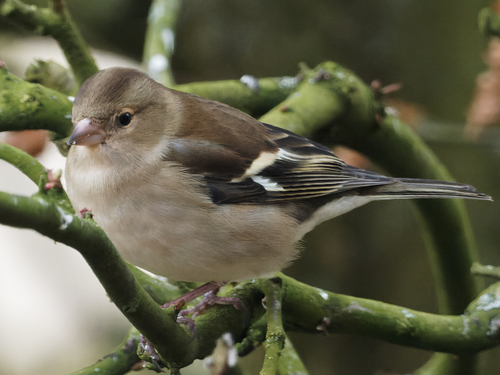
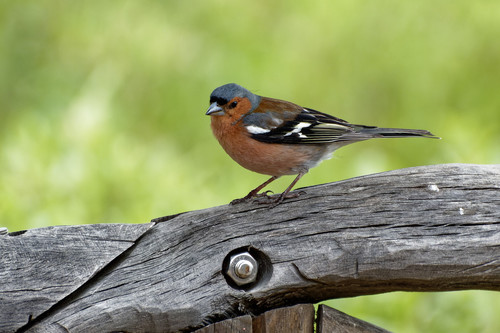
The common chaffinch (Fringilla coelebs), usually known simply as the chaffinch , is a common and widespread small passerine bird in the finch family. The male is brightly coloured with a blue-grey cap and rust-red underparts. The female is much duller in colouring, but both sexes have two contrasting white wing bars and white sides to the tail. The male bird has a strong voice and sings from exposed perches to attract a mate.
- Family
- Fringillidae
- Order
- Passeriformes
- Records
- 8,989
- Peak
- Apr · Mar · May
Seasonality
When it shows up
November: possible
Where to look
Places with recent records
Parkland, lake, mature woodland
Tiergarten
The great central park of Berlin: broad avenues, a lake and dense old trees, with herons, woodpeckers and wintering goosander.
Open grassland, pioneer habitat, old runways
Tempelhofer Feld
A former airport turned into a vast open field — skylarks, wheatears and a surprising suite of dry-grass specialists in the middle of the city.
Pine forest, lakes, heath
Grunewald
Berlin’s largest forest, with sandy paths, quiet lakes and a breeding population of middle spotted woodpeckers.
Island woodland, meadows, historic park
Pfaueninsel
A small island in the Havel with ancient oaks, free-roaming peacocks and a remarkably quiet bird list.
Lake, reedbed, forest edge
Müggelsee
Berlin’s largest lake, fringed by reedbeds and forest — a strong spot for grebes, terns and autumn migration.
Easy to confuse with
Similar species in Berlin
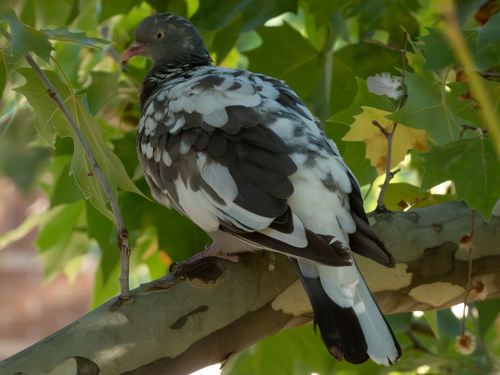
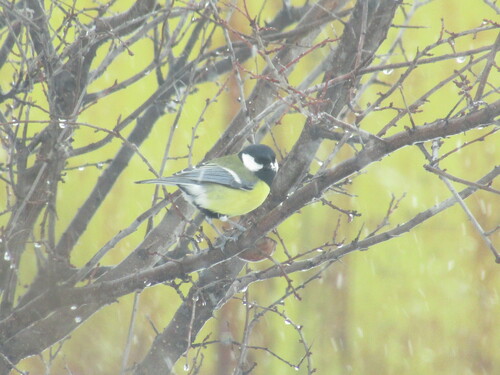
Also recorded in
The same species elsewhere
Questions
Common Chaffinch in Berlin
- Where can I see Common Chaffinch in Berlin?
- Common Chaffinch has recent records at Tiergarten, Tempelhofer Feld, Grunewald. Check each park page for habitat notes and access.
- When is the best time to see Common Chaffinch in Berlin?
- Records peak in April, March, May. In November, activity is rated “possible”.
Sources
Occurrence counts and seasonality are derived from GBIF records (2018–2026). Description adapted from Wikipedia via iNaturalist, licensed CC BY-SA. Photo credits appear under each image. Native or introduced status comes from iNaturalist regional checklists. Species pages are for observation only — never disturb wildlife.